
Skip to content

GET STARTED FOR 50% DOWN AND 0% APR

FLEXIBLE FINANCING

Cart

Your cart is empty

Article: Esthetician Suite Ideas: Design Your Brand Space

Esthetician Suite Ideas: Design Your Brand Space
esthetics bed

Esthetician Suite Ideas: Design Your Brand Space

Esthetician Suite Ideas: Design a Treatment Room That Builds Your Brand

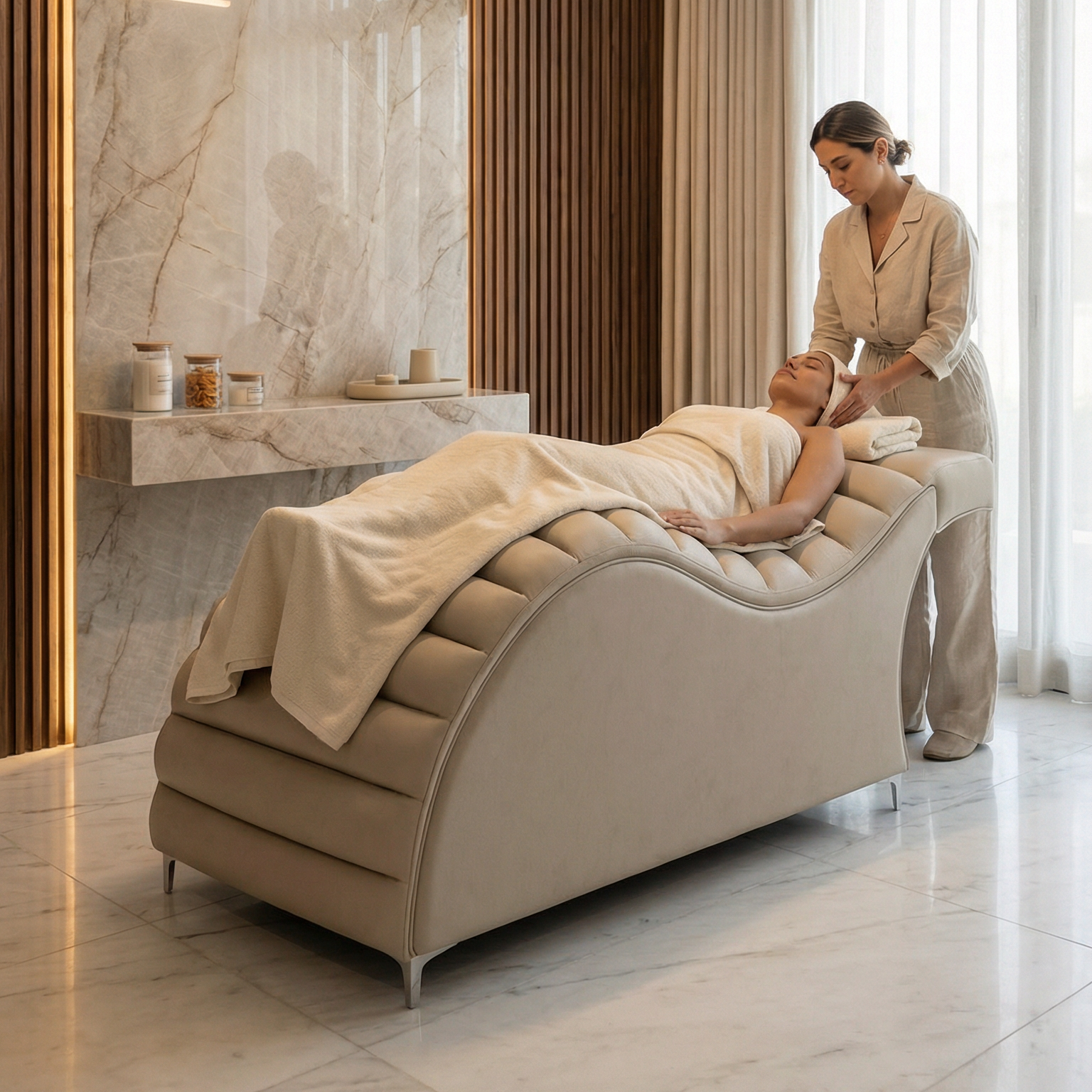
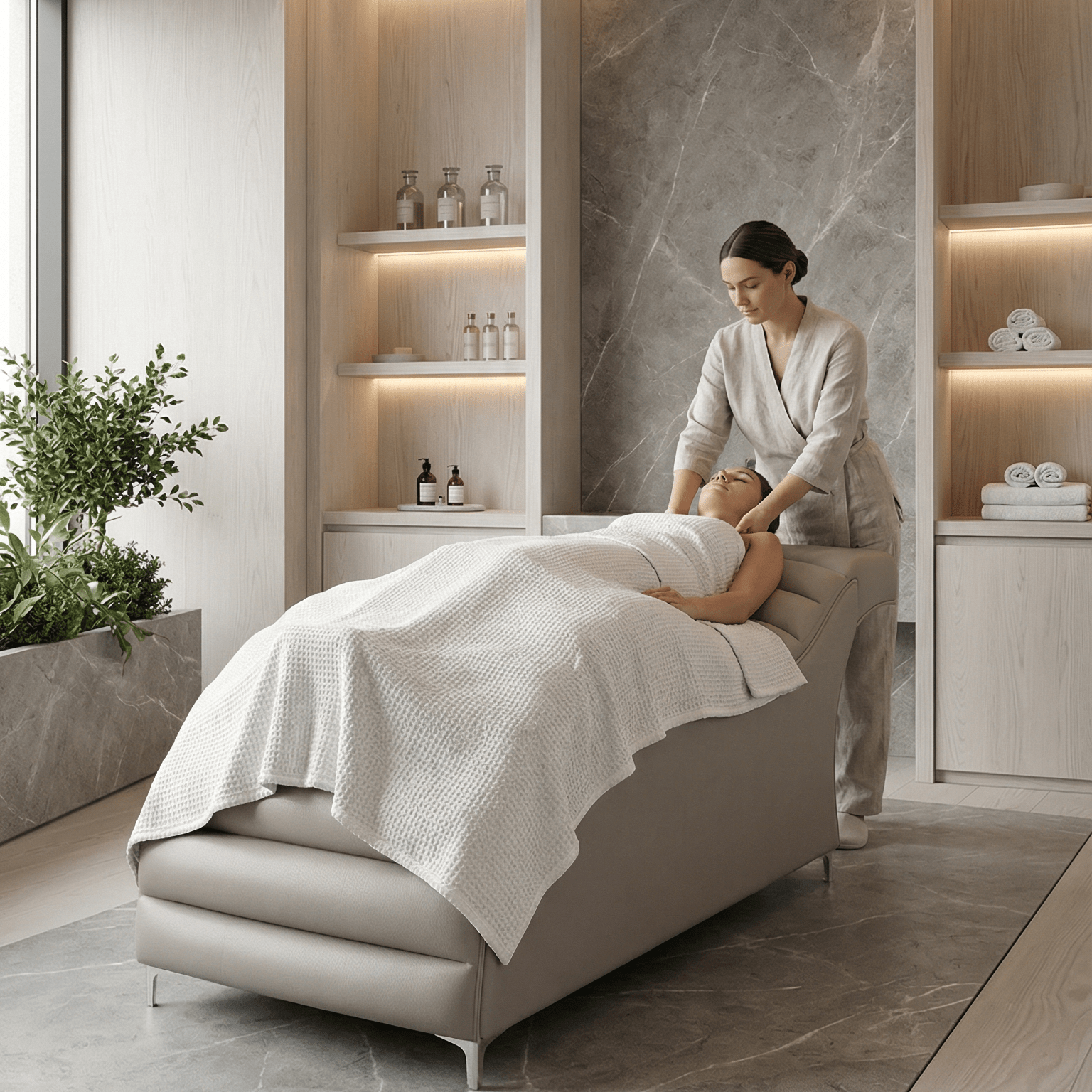
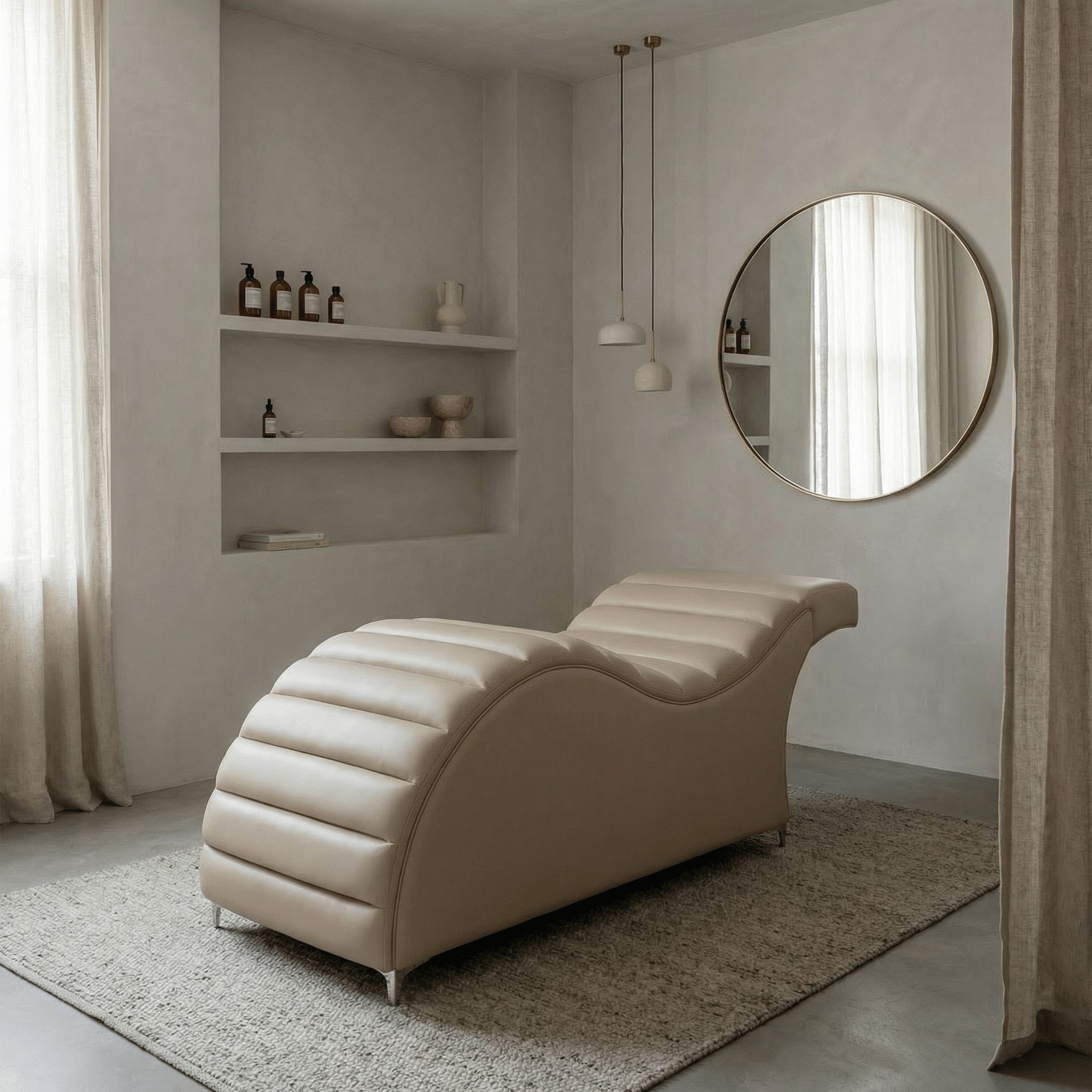
Your esthetician suite ideas aren't decorative afterthoughts—they're your most powerful sales tool. Before a client feels the pressure of your hands or smells your serums, they've already made a subconscious decision about whether you're trustworthy, skilled, and worth premium pricing. A pristine, thoughtfully designed space telegraphs expertise. A cramped, cluttered room signals you're still figuring this out. The challenge is balancing that luxury-spa atmosphere (clients need to feel nurtured) with the clinical precision your skin services demand (you need to sanitize everything constantly). You're building a sanctuary that's also an operating room. This guide gives you four proven design directions with exact specs—wall colors, furniture finishes, upholstery choices, lighting styles, and the sensory details that transform a treatment room into a brand statement.

Why Your Esthetic Suite Design Is Your Most Powerful Brand Signal

Your suite design is your silent sales pitch. Clients make trust and value judgments based on environmental cues before you apply the first mask. A luxurious, organized space suggests you're experienced, serious about results, and worth premium pricing. A basic, generic space suggests you're just starting or cutting corners. This directly impacts what you can charge—clients paying $250+ for facials expect a space that validates that investment. They're also more likely to add retail products, book follow-ups, and refer friends when the room matches the quality of your work.

Beyond client perception, your suite design affects your own operational efficiency and career longevity. A disorganized space creates daily friction—searching for tools, contaminating clean areas, losing product bottles. An organized, beautiful space makes you want to show up and work efficiently. You're building an environment you'll spend 6–8 hours in daily for the next 3–5 years. That environment either energizes or drains you.

The Design Challenge: Balancing Sanctuary and Sanitation

This is the core tension in esthetician suite design. Spa aesthetics demand softness—warm lighting, luxurious textures, calming color. Clinical sanitation demands hard surfaces you can wipe down, minimal fabric, bright enough to see extractions clearly. You can't use velvet accent chairs because you can't sanitize them properly. You can't use low, diffuse lighting because you need precise visibility during extraction work. You're solving for both simultaneously.

The solution is commitment to high-quality materials that serve both purposes. A white or soft-gray upholstered bed looks spa-like and is medical vinyl that sanitizes completely. Warm brass fixtures feel luxurious but are stainless enough to tolerate constant sterilization. Warm ambient lighting paired with a bright, focused task light over your treatment bed satisfies both aesthetics and precision. Every material choice you make should pass the "can I sanitize this daily without degrading it?" test.

Four Design Directions: Complete Specifications

Modern Spa: Warm, Approachable Luxury

Wall Color: Warm white (slightly off-white, cream undertone) or very soft taupe

Accent Wall: Optional soft sand or light terracotta (one wall only)

Upholstery: Cream, warm beige, or soft sage medical vinyl

Wood/Metal Finishes: Natural warm wood tones (oak, walnut) or warm brass/brushed gold

Accent Materials: Live plants (ficus, pothos, snake plants), unfinished wood shelving, linen throw blankets, natural fiber baskets

Lighting Style: Warm-temperature LED (2700K), table lamps with linen shades, dimmable sconce lights, warm brass fixtures

Retail Display: Open natural wood shelving with products in matching neutral jars and containers

Flooring Accent: Natural fiber rug (jute or sisal) anchoring the seating area

Sensory Signature: Subtle herbal or eucalyptus diffuser scent, gentle instrumental music, temperature kept at 66–68°F

Modern Spa works for estheticians who emphasize organic, ingredient-forward services (botanical serums, enzyme peels, natural moisturizers). Clients immediately read "clean, natural, nourishing." Budget for wall treatment ($300–800), warm lighting ($400–700), and natural wood shelving ($500–1,200).

Clean Clinical Luxe: Polished, Professional, Premium

Wall Color: Crisp white (true white, minimal undertone) or cool off-white

Accent Elements: Minimal—one marble or marble-effect surface (shelf, floating shelf, or tabletop)

Upholstery: Pristine white, cool gray, or soft navy medical vinyl

Metal Finishes: Warm brass or brushed gold only (no silver—it reads cold)

Accent Materials: Marble-effect surfaces, clear glass shelving or brass-framed shelving, white ceramic décor objects, one large abstract print in grayscale/gold

Lighting Style: Bright LED task light over bed (4000K, high CRI for color accuracy), warm brass pendant lights (2700K) in seating area, dimmable wall sconces

Retail Display: Closed white cabinetry with brass hardware; retail pulls from behind glass or within consistent white containers

Flooring: Polished light gray or white tile with area rug in soft gray or taupe

Sensory Signature: Subtle clean linen or light citrus scent, classical instrumental or ambient soundscape, temperature at 65–67°F (slightly cool signals clinical precision)

Clean Clinical Luxe appeals to clients seeking results—anti-aging, aggressive extractions, chemical peels. This aesthetic signals "medical-grade, results-driven, expert." It justifies premium pricing ($180–300+ per facial). Budget for pristine wall finish ($400–900), professional lighting ($600–1,000), and marble accents ($500–1,500).

Dark Sanctuary: Moody, Exclusive, Restorative

Wall Color: Deep charcoal gray or forest green (matte finish, not glossy)

Second Wall: Optional deep burgundy or navy (one wall only, typically behind the bed)

Upholstery: Cream, soft gray, or warm white medical vinyl (contrast with dark walls)

Metal Finishes: Warm brass or copper (contrasts beautifully against dark walls)

Accent Materials: Deep velvet throw pillows (accent only, not on treatment bed), warm brass or copper sculptures/objects, wooden shelving with warm patina, one large piece of abstract art in warm tones

Lighting Style: Dimmable warm amber/bronze ceiling lights (2200K, low brightness), warm brass table lamps with dimmer switches, task light over bed in warm tone, candles or salt lamps in corners (aesthetic only, not near bed)

Retail Display: Dark cabinetry with warm brass handles; curated retail displays (fewer products, higher perception of luxury)

Flooring: Dark gray or charcoal with warm-toned area rug

Sensory Signature: Warm woody scent (sandalwood, cedarwood) or subtle amber, lo-fi instrumental music or nature sounds, temperature at 68–70°F (warmth is essential in moody rooms)

Dark Sanctuary works for estheticians who specialize in luxury facials, anti-aging, and restorative treatments. Clients read this as "exclusive, sophisticated, my experience is separate from the outside world." It justifies premium pricing and works beautifully for small spaces (dark walls make rooms feel intimate, not cramped). Budget for wall treatment ($600–1,200), dimmable lighting ($800–1,400), and accent décor ($400–800).

Blush & Neutral: Feminine, Instagram-Friendly, Approachable

Wall Color: Soft dusty rose, blush pink, or warm mauve

Accent Wall: Optional deeper rose or dusty terracotta

Upholstery: Warm cream, soft taupe, or very pale blush medical vinyl

Metal Finishes: Warm gold or rose gold (no brass—feels too industrial)

Accent Materials: Soft cream or blush velvet throw pillows (accent pieces only), rose gold frames, natural wood accents in warm honey tones, one large botanical print or abstract art in rose/cream/gold tones

Lighting Style: Warm LED (2700K), gold or rose-gold pendant lights, dimmable wall sconces with gold fixtures, soft string lights (aesthetic only, away from treatment bed), warm table lamps

Retail Display: Open gold-framed shelving or cream-painted shelves; products arranged in matching rose-gold or gold containers

Flooring: Light gray or warm cream with blush or rose area rug

Sensory Signature: Subtle floral scent (rose, peony, or light florals), upbeat but calm music (lo-fi pop, indie instrumental), temperature at 67–69°F

Blush & Neutral appeals to younger clients and has strong Instagram potential (clients photo their suite and tag you). It signals "approachable luxury, care-focused, Instagrammable." This aesthetic works for estheticians doing lash lifts, brow lamination, or beginner-friendly facials. Budget for wall treatment ($400–900), warm gold lighting ($500–900), and gold/rose-gold accents ($300–700).

Sensory Design for Esthetics Suites: Beyond the Visual

Your suite engages all five senses. Clients notice what they see first, but scent and sound shape their entire experience.

Scent Strategy: Diffuse subtle scents that signal cleanliness and luxury. Herbal (eucalyptus, lavender, mint) reads "clean, fresh." Floral (rose, peony, jasmine) reads "luxury, feminine." Woody (sandalwood, cedarwood) reads "sophisticated, grounding." Never use artificial air freshener (clients register it as cheap). Use a quiet diffuser in a corner away from your treatment bed—you don't want scent overwhelming delicate skin. Rotate scents seasonally to keep the space feeling intentional.

Sound Design: Curated music and ambient sound shape how clients perceive time and space. Gentle instrumental (lo-fi piano, ambient, classical) is safe and professional. Avoid anything with vocals or dramatic dynamics—it's distracting. Consider a small sound machine in one corner set to white noise or nature sounds for privacy (clients won't hear conversation outside). Volume should never exceed 50 decibels—you're aiming for background ambiance, not a coffee shop vibe.

Temperature Control: Clients arriving warm from driving and then lying still during a 60-minute facial get cold. Optimal temperature is 66–68°F while they're in treatment, with a warm blanket available. In moody rooms, bump to 68–70°F because dark, cool spaces feel cold. Have a small space heater available in winter to adjust without raising your whole suite temperature.

Client Journey Design: How Your Suite Drives Behavior

Your suite layout should guide clients through a psychological journey from entry to service to retail.

Entry/Waiting Area: Client enters, sees your space, immediately feels your professionalism. Waiting area should be separate from treatment zone (client doesn't sit on your treatment bed). One comfortable chair, one small table with water and maybe tea, curated retail display visible from waiting area. This 30 seconds determines whether they trust you and whether they'll add retail.

Transition to Treatment: Guide them to the treatment bed with clear, uncluttered pathways. They shouldn't pass through your supply storage or see sterilization trays. Once on the bed, you've moved them from "visitor" to "patient." The design should cue them to relax.

Treatment Positioning: During the facial, your suite design affects their comfort. Soft, warm lighting is essential (harsh light makes people feel exposed). If your lamp is too bright and cold, clients tense up. Plants in their peripheral vision or a focal point on the ceiling (artwork) helps them relax during longer services.

Retail Transition: As they're finishing, they see open shelving or closed cabinetry with your products. Well-organized, curated retail (fewer products, higher price points, matching containers) signals expertise and makes clients more likely to purchase. Cluttered product displays trigger the perception that you're a generalist using whatever brands are on sale.

Small Suite Maximization: 5 Design Tricks for 100–150 sq ft

If you're in a salon suite or a small standalone room, these tricks make your space feel larger and more luxurious than the square footage suggests:

1. Use vertical space: Floor-to-ceiling shelving makes walls feel taller and stores more inventory. Floating shelves (mounted at eye level) feel less bulky than cabinets.

2. Choose one accent color and commit to it: A monochromatic scheme (white + one wall in rose, forest green, or taupe) feels cohesive and intentional instead of cluttered. Avoid mixing multiple colors.

3. Limit furniture: Bed, stool, trolley, one small table. Don't add extra seating or décor. Every item should function or contribute to your aesthetic. Remove it if you can't justify it.

4. Install a large mirror: A floor-to-ceiling mirror or large wall mirror (4–5 feet) on one wall bounces light and makes the space feel double its actual size. Position it opposite a window if possible to reflect natural light.

5. Invest in lighting, not square footage: A small, beautifully lit room with dimmable warm lights and focused task lighting feels more luxurious than a large, poorly lit space. Lighting is the cheapest luxury upgrade you can make.

Budget Guide: Aesthetic Investment at Each Level

Minimal Investment ($500–1,500): Neutral paint color (warm white or soft taupe), basic warm-temperature LED lighting, one large mirror, open shelving for retail, no additional décor. This works but feels generic.

Mid-Range Investment ($1,500–4,000): Quality wall color (soft rose, forest green, or warm taupe), dimmable warm lighting with brass fixtures, floating shelves, 2–3 accent pieces (plant, artwork, throw blanket), curated retail display. This signals intentionality and builds client trust.

Elevated Investment ($4,000+): Professional wall treatment (wallpaper, accent wall, or specialty paint), high-quality dimmable lighting system with multiple dimmer zones, built-in or custom cabinetry, curated décor collection (art, plants, ceramics), professional photography of your suite for marketing. This justifies premium pricing and creates a brand moat—clients remember your space and talk about it.

Frequently Asked Questions

What is the best color for an esthetics room?

Best depends on your target client. Warm neutrals (cream, warm taupe) work for any service type. Forest green or dusty rose signal luxury and create calming moods. Avoid pure white (too sterile and shows every smudge) and avoid trendy colors you'll tire of quickly.

How should I arrange my esthetics suite for client flow?

Keep entry/waiting separate from treatment zone. Position your bed perpendicular to the wall so you have access from multiple sides. Place your rolling trolley and magnifying lamp within arm's reach. Position retail display visible from waiting area so clients see products before asking about them. Keep storage closed and away from sight.

What lighting works best for skin consultations?

Bright task lighting (4000K, high CRI) over your workspace for precise visibility. Warm ambient lighting (2700K) everywhere else. Dimmable controls let you adjust based on client mood—some want bright energy, others want calming softness. Never use only overhead fluorescent lights (too harsh and unflattering).

How do I add retail to a small esthetics suite?

Curate ruthlessly. Display 8–12 hero products instead of 30 average ones. Use matching containers or minimal packaging (removes visual clutter). Open shelving at eye level draws attention. Stock your highest-margin products front and center. Small, curated retail displays drive higher conversion than cluttered walls.


Your esthetician suite is your competitive advantage. Clients will choose you over the practitioner down the street because your space makes them feel cared for and confident in your expertise. Start with wall color and lighting (the highest-impact, lowest-cost changes), then layer in furniture, retail displays, and sensory details. Build over time instead of trying to execute everything at once.

Ready to design your esthetics suite? Browse our esthetician room furniture collection) to find pieces that match your aesthetic direction and build the space that builds your brand.

Read more

What Is A Facial Bed? Essential Equipment For Estheticians And Spas - Plush + Oak

What Is A Facial Bed? Essential Equipment For Estheticians And Spas

Find the ultimate facial bed, luxury, ergonomic design, and customization for your spa or salon. Explore Plush + Oak now.

Read more